

1 Identify What Counts as an Heirloom
Make a list of items that have:
- Emotional value (letters, photos, jewelry)
- Historical value (antiques, military items, documents)
- Financial value (art, collectibles)
- Family identity value (recipes, traditions, tools)
This helps you stay organized and prevents misunderstandings later.
2 Document the Story Behind Each Item
Heirlooms lose meaning when the story disappears.
Include:
- Who owned it originally
- Why it matters
- Any traditions tied to it
- The item’s age, maker, or origin
- Photos if helpful
You can write these in:
- A small note attached to the item
- A family “heritage binder”
- A digital file or email
The story is what makes a simple object priceless.
3 Talk to Your Family Early
The #1 cause of heirloom disputes is surprise.
Have open conversations:
- Ask who wants what
- Ask why they want it
- Explain your intentions
- Make sure everyone feels heard
Sometimes you’ll be surprised which items mean the most to different people.
4 Put Your Decisions in Writing
Verbal wishes often get lost.
Use:
- Your will
- A living trust
- A separate memorandum of personal property (many states recognize this)
- A clearly labeled inventory sheet
Be specific:
- “To my daughter Emma, I leave my mother’s diamond ring.”
- Not “my jewelry,” which can cause confusion.
5 Give Items While You’re Still Alive (Optional but VERY helpful)
This reduces conflict and lets you enjoy seeing the heirloom appreciated.
Great for things like:
- Jewelry
- Furniture
- Tools
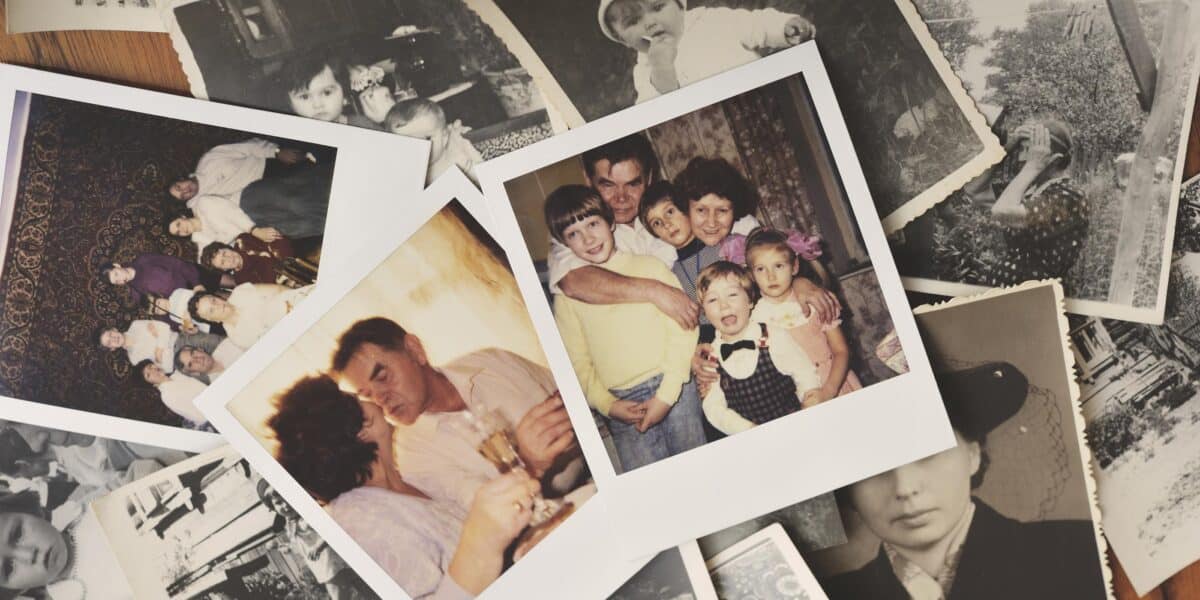
- Photos
- Traditions or recipes
It also ensures the new owner knows the story directly from you.
6 Choose the Right Recipient
Consider:
- Who loves the item
- Who will care for it
- Who is emotionally connected to it
- Whether anyone has already expressed interest
If siblings fight, you can:
- Rotate choices
- Use a “draft pick” system
- Arrange equal-value distributions
7 Protect the Heirlooms
Some heirlooms need care before passing them on:
- Jewelry: clean and appraise
- Photos: scan and digitize
- Documents: protect in acid-free folders
- Furniture: repair or stabilize
- Collectibles: insure
A little prep makes sure the heirloom survives for the next generation.
8 Include Instructions for Care
If an item needs special treatment:
- Tell them how to store it
- How often to clean it
- What to avoid
- Who to contact for maintenance
This helps the heirloom last for decades.
9 Consider Dividing by Theme
If you want fairness:
- One child gets kitchen/recipe items
- One gets military history items
- One gets jewelry
- One gets holiday or tradition items
This helps balance sentimental value even if financial values differ.
10 Reassess Every Few Years
Life changes: marriages, grandchildren, divorces, shifting interests.
Once every 2–4 years:
- Update your list
- Reconfirm recipients
- Add new heirlooms